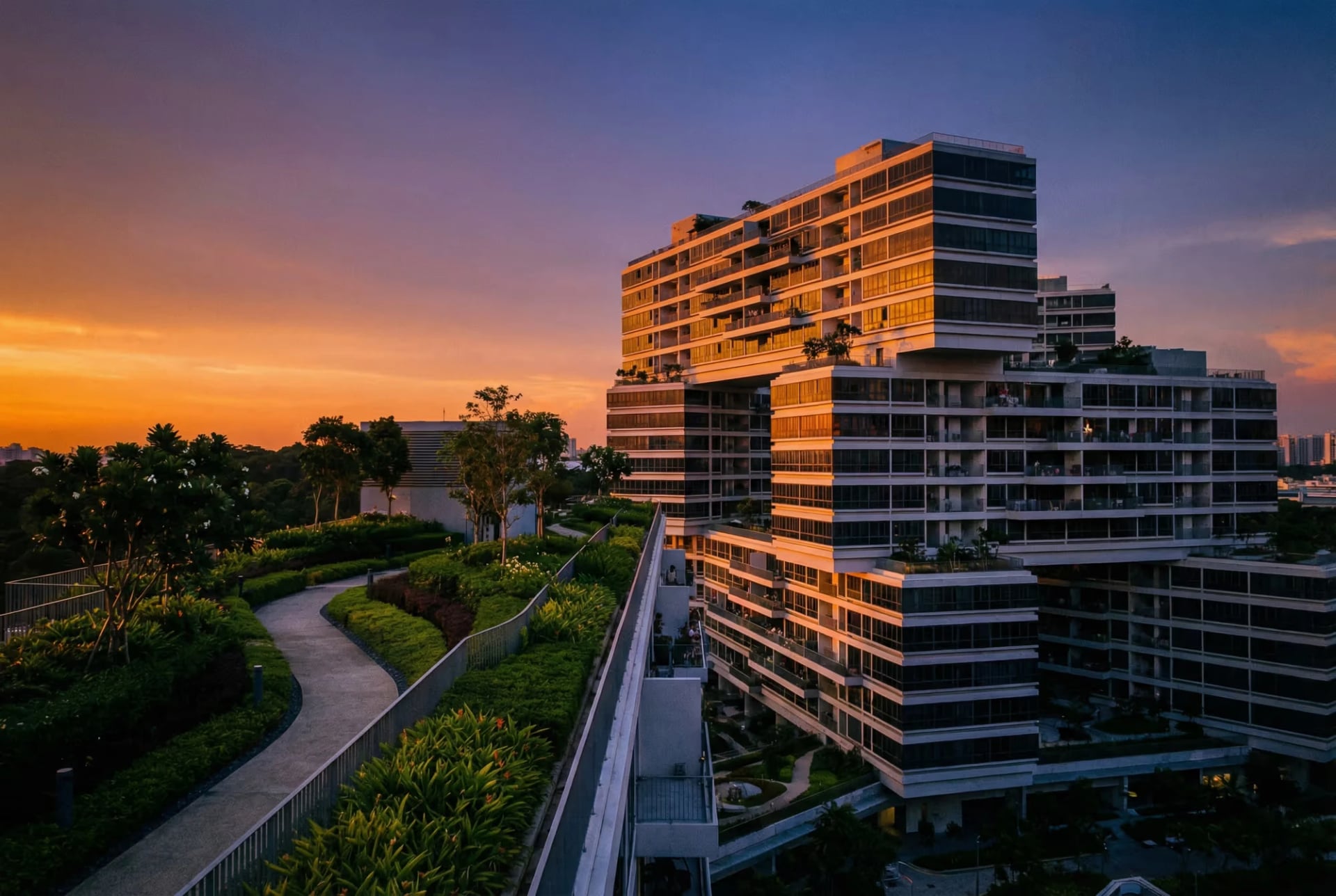
Find your architecture photographer
On Graindevue, you'll find photographers who specialize in architectural imagery. They understand perspective, light, and the specific visual language of built environments. Their images serve architects, developers, real estate professionals, and publications seeking to present architecture at its best.
Why book on Graindevue?
Technical and artistic understanding
Architecture photography requires dual competencies:
Technical mastery: Perspective control, exposure blending, wide-angle correction, and equipment handling specific to architectural work.
Artistic vision: Understanding design intent, choosing angles that reveal spatial relationships, and composing images that convey the feeling of spaces.
Our architecture photographers combine both. They produce images that are technically precise and aesthetically compelling: images that serve both documentation and artistic purposes.
Specialized equipment
Architectural work requires specific tools:
Perspective control lenses: Tilt-shift lenses that correct vertical distortion and control depth of field.
Wide-angle capabilities: Capturing full interior spaces and building facades accurately.
HDR techniques: Blending multiple exposures to handle extreme contrast between bright windows and dim interiors.
Drone capability: Aerial perspectives that show building context and roof configurations.
Professional architecture photographers invest in equipment that produces the quality architectural projects deserve.
Flexibility across project types
Whether documenting a completed landmark, capturing construction progress, or shooting interiors for publication, architecture photographers adapt their approach to each project's specific requirements and purposes.
Laurent Miaille
Seysses, France
Depuis plus de dix ans, je photographie des espaces conçus par des architectes, des créateurs d'espaces qui refusent le compromis. Mon rôle n’est pas de documenter. C’est de révéler : une lumière rasante sur une matière, la tension entre ancien et contemporain, le silence d’un espace parfaitement proportionné. Chaque lieu impose son rythme. Mes images ne sont pas des illustrations. Ce sont des arguments. Pour vos appels d’offres, vos publications, vos supports de communication —
Boris Taieb
Paris, France
Photographe et vidéaste passionné j'accompagne depuis plus de 20 ans les entreprises, marques et institutions dans leur communication visuelle mais aussi les particuliers pour des moments uniques. Clichés et films événementiels, photos & vidéos marque employeur, portraits, photos culinaires et d'architecture, packshots et contenus promotionnels, vidéos de mariage : je m'adapte à chaque univers avec exigence, sens du détail et réactivité, pour livrer des contenus de qualité, pensés pour durer.
Mathieu Fiol
Paris, France
Mathieu Fiol est un photographe professionnel spécialisé en photos d’intérieur, hôtellerie, décoration et architecture. Son approche artistique et sa maîtrise technique lui permettent de magnifier le travail des architectes d’intérieur, décorateurs et architectes avec lesquels il collabore et ses photos ont été publiées dans des magazines de référence en France et à l’étranger : AD, Marie Claire, Vogue, Ideat, ID magazine, Deco Estilo…
How it works
- Select a photographer whose portfolio demonstrates relevant experience with your building type and aesthetic needs.
- Plan the shoot timing based on optimal lighting conditions for your specific building orientation and design features.
- Receive images that showcase your architectural work for competitions, publications, marketing, or archives.
Types of architecture photography
Completed building documentation
Comprehensive photography of finished projects for portfolios, publications, and awards:
Exterior documentation: Multiple angles capturing facades, material details, and site context.
Interior coverage: Spaces photographed to show volume, light quality, and design intent.
Detail shots: Close-ups of finishes, fixtures, and craft elements that distinguish the project.
Environmental context: Images showing how the building relates to its surroundings.
This documentation often serves architects' portfolio needs and award submissions.
Interior and space photography
Focused coverage of interior environments:
Residential interiors: Homes photographed for designers, architects, or real estate purposes.
Commercial spaces: Offices, retail, hospitality environments documented for various uses.
Institutional interiors: Educational, healthcare, cultural spaces with specific communication needs.
Detail and material focus: Close attention to surfaces, textures, and design elements.
Interior work often requires careful lighting to reveal space qualities that casual observation misses.
Construction progress documentation
Regular photography tracking project development:
Milestone documentation: Key stages captured for client updates and project archives.
Regular interval shooting: Weekly or monthly visits creating comprehensive construction records.
Technical documentation: Specific elements photographed for engineering or legal purposes.
Time-lapse production: Images compiled into motion sequences showing construction progression.
Progress photography serves communication, marketing, and legal documentation purposes.
Real estate and development marketing
Images serving property sales and development promotion:
Development visualization: Showcasing completed units, common areas, and building amenities.
Sales materials: High-quality images for brochures, websites, and advertising.
Lifestyle documentation: Spaces shown in use, appealing to potential buyers or tenants.
Drone and context: Aerial views showing location benefits and neighborhood context.
Renovation and restoration documentation
Before, during, and after photography of renovation projects:
Condition documentation: Recording existing states before work begins.
Process capture: Showing transformation and work quality.
Completion comparison: Side-by-side presentations of change.
Historic preservation records: Documentation meeting archival standards.
Planning an architecture photography session
Light considerations
Light is perhaps the most critical factor in architecture photography:
Time of day: Building orientation determines optimal shooting times. East-facing facades photograph best in morning light; west-facing in afternoon. Interior lighting changes dramatically throughout the day.
Season: Sun angles vary significantly. Winter sun sits lower, penetrating deeper into interiors but producing longer shadows on facades. Summer provides different qualities.
Weather: Overcast days produce even light for some situations; dramatic skies enhance others. Blue sky versus clouds significantly affects mood.
Twilight: The brief period after sunset often produces the most dramatic architectural images, with balanced interior and exterior light.
Discuss optimal timing with your photographer based on your specific building and desired mood.
Preparation requirements
Proper preparation significantly impacts image quality:
Space readiness: Interiors should be clean, styled appropriately, and free of distracting elements. Remove personal items, temporary furniture, and anything not part of the design.
Lighting status: Ensure all fixtures work. Replace burned-out bulbs. Consider lamp color temperature consistency.
Exterior considerations: Landscaping should be maintained. Remove vehicles, trash containers, and temporary elements not part of the design.
Access coordination: Arrange access to all spaces needing photography. Coordinate with tenants, security, and management.
Permission requirements: Some locations require permits or property releases. Address these before the shoot date.
Defining deliverables
Before shooting, clarify what you need:
Primary uses: Portfolio, publication, website, awards, marketing: different purposes may influence shooting and editing approach.
Format requirements: Publications have specific resolution and color requirements. Awards submissions may have format guidelines.
Image count: How many final edited images do you expect?
Selection involvement: Will you participate in image selection, or does the photographer deliver curated finals?
Retouching scope: Standard architectural retouching versus extensive modification, and understand what's included.
Technical aspects of architecture photography
Why specialized skills matter
Architecture photography differs from other genres:
Perspective control: Buildings must appear straight and properly proportioned. This requires either specialized lenses or careful correction in post-processing.
Exposure challenges: Interior spaces often combine very bright windows with much darker shadow areas. Managing this contrast requires technique and equipment.
Scale communication: Photos must convey actual spatial dimensions. This requires specific lens choices and compositional approaches.
Material rendering: Architecture relies on material qualities that must be accurately captured: texture, reflectivity, color.
Post-processing for architecture
Architectural images typically require specific editing:
Perspective correction: Ensuring vertical lines remain vertical and horizontal lines level.
Exposure blending: Combining multiple exposures to handle contrast exceeding single-capture capability.
Color accuracy: Matching how materials actually appear in person.
Sky replacement: Sometimes necessary when shooting conditions don't match project presentation needs.
Element removal: Power lines, temporary elements, or distracting details that don't serve the image.
Discuss post-processing approach and extent when booking.
Frequently asked questions
How long does an architecture shoot take?
This varies significantly. A single residential interior might require 2-3 hours. A complete building with extensive interiors and exteriors might need multiple days, often at different times for optimal lighting.
Discuss scope and timing when planning your project.
How much does architecture photography cost?
Day rates typically range from €500-1500+ depending on photographer experience, project complexity, and deliverables. Half-day rates are often available for smaller projects.
Additional costs may apply for travel, drone work, or extensive post-processing. Request specific quotes based on your actual needs.
When is the best time to photograph my building?
This depends entirely on orientation, design features, and desired mood. Generally:
- East-facing elements: morning light
- West-facing elements: afternoon light
- Interiors with natural light: varies by window orientation
- Twilight: typically optimal for dramatic exterior shots
Your photographer should scout or review the building to recommend optimal timing.
Do you need access to all spaces?
Ideally, yes. Comprehensive documentation requires access to all relevant areas. However, photographers can work with limitations if necessary, so discuss constraints when planning.
Can you photograph occupied buildings?
Yes, but it requires coordination. Occupied spaces may need advance notice for occupants to prepare. Some work happens around occupancy schedules.
What if weather doesn't cooperate?
Architecture photographers plan around weather when possible. For exterior work especially, rescheduling for better conditions often produces significantly better results. Discuss weather contingencies when booking.
How should spaces be prepared?
Remove personal items, clutter, and temporary elements. Clean thoroughly. Ensure all lights work. Discuss specific preparation with your photographer, who may provide detailed guidance for your situation.
Images that honor design
Great architecture photography doesn't just document buildings. It reveals the ideas behind them. It shows how light and space interact, how materials create atmosphere, how design serves inhabitants.
On Graindevue, find photographers who capture architectural achievements in their best light.